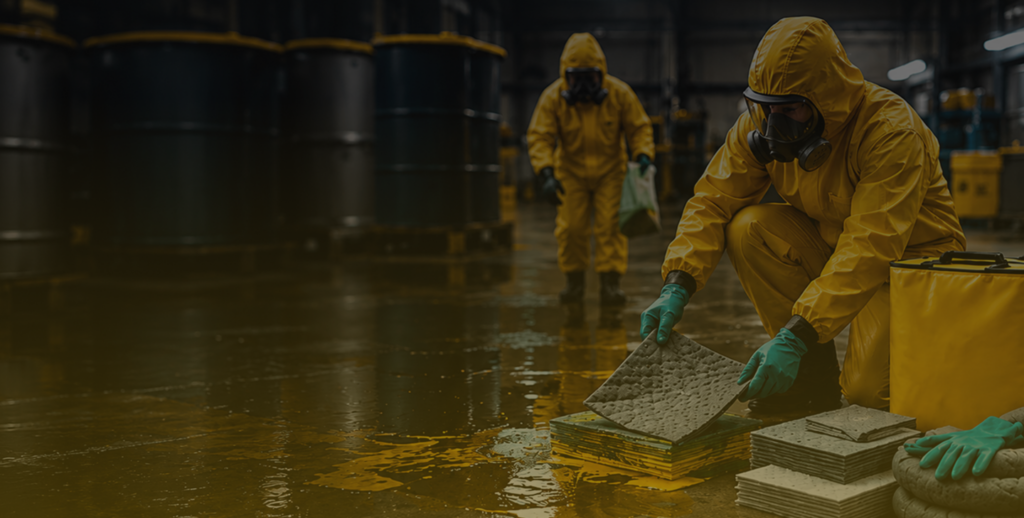
Stop spills before they escalate.
Spill management, safety, and environmental solutions for factories, warehouses, and the industrial sector.
Shop by Category
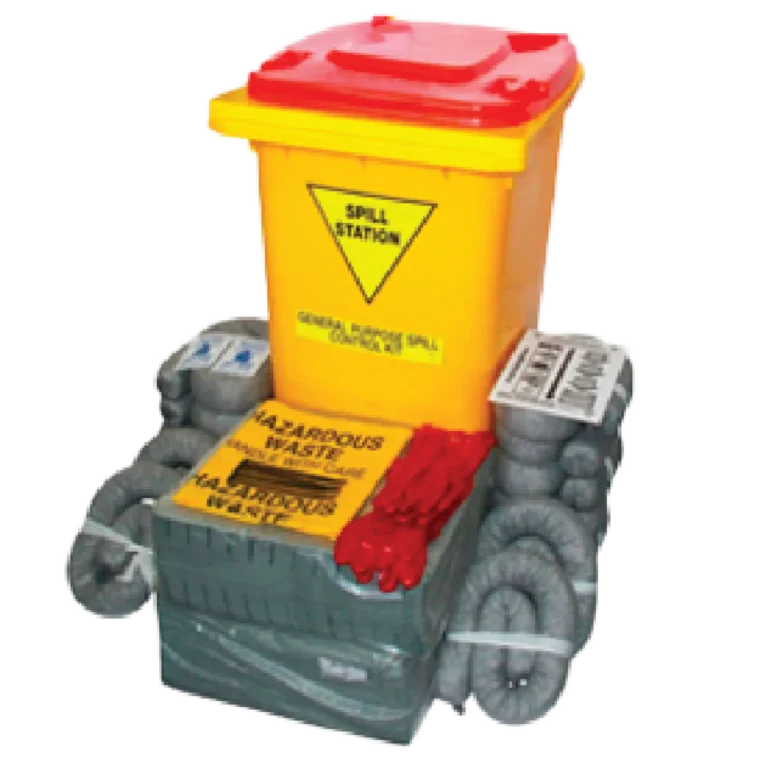
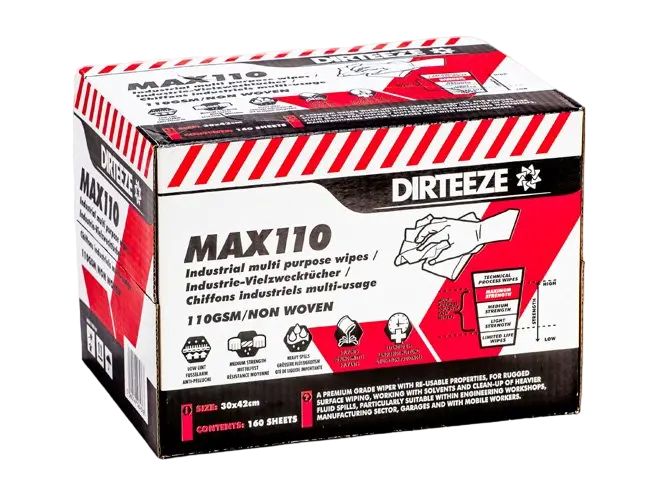
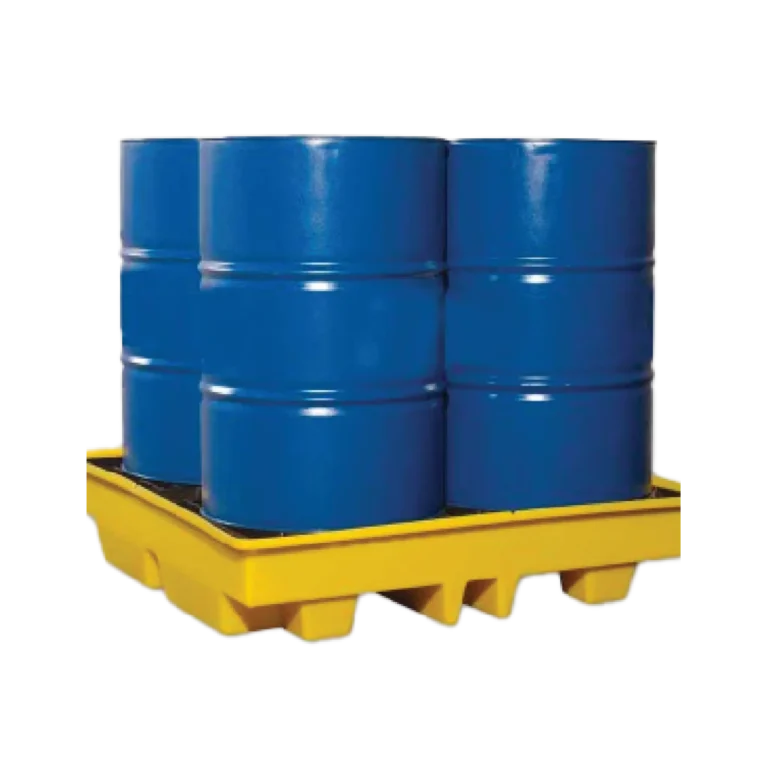
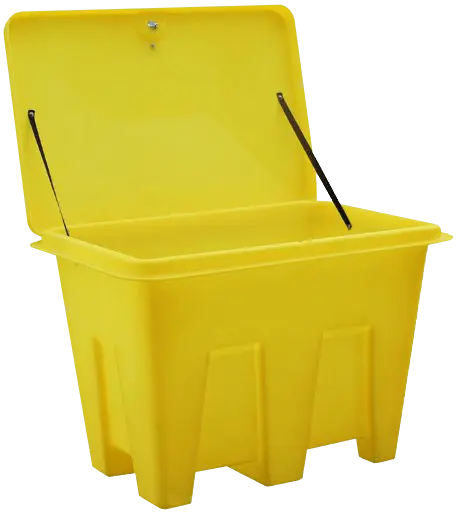
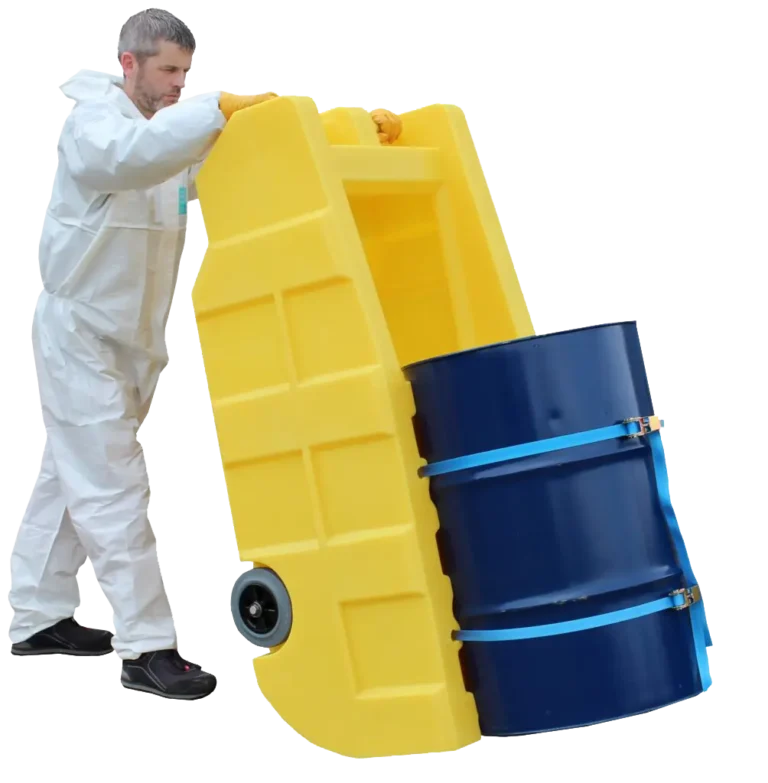
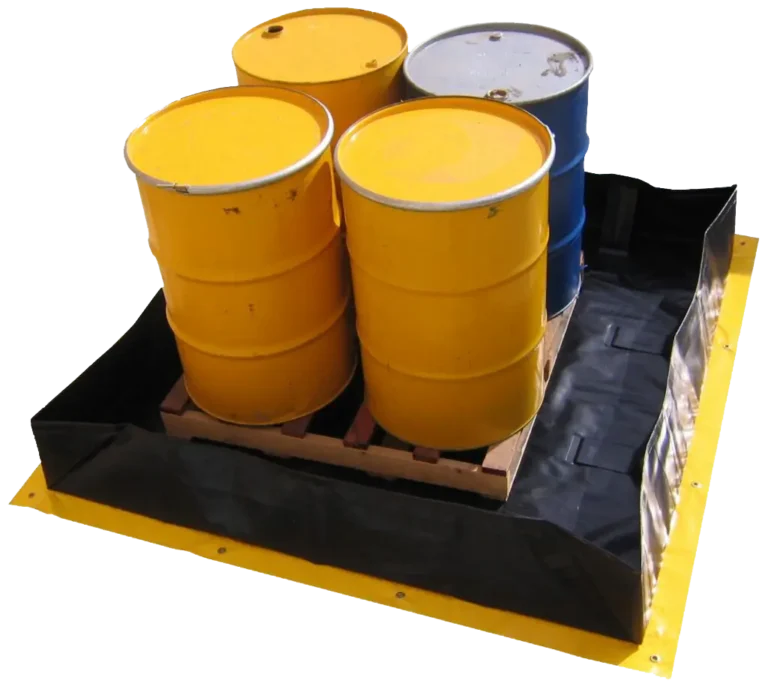

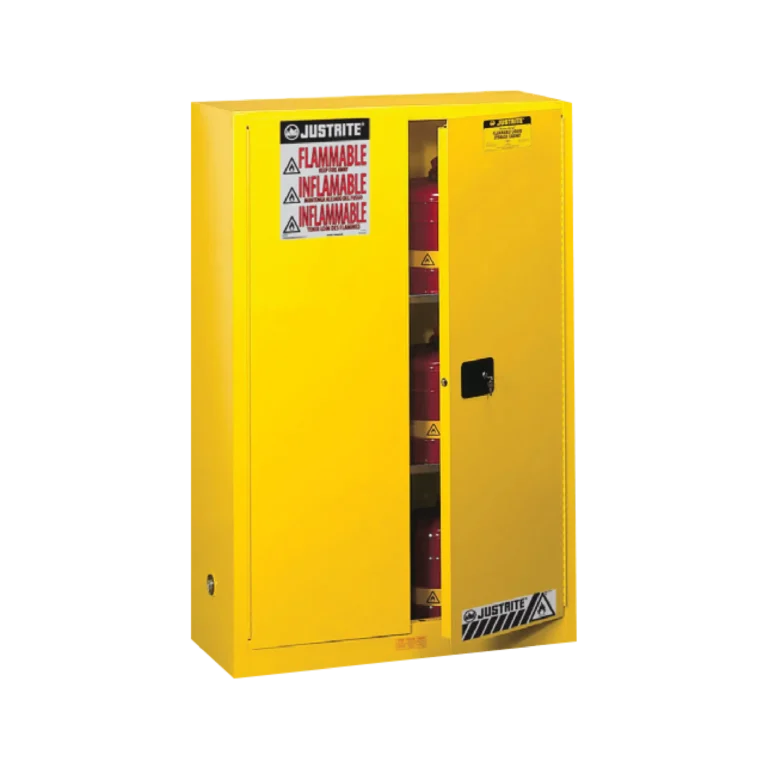
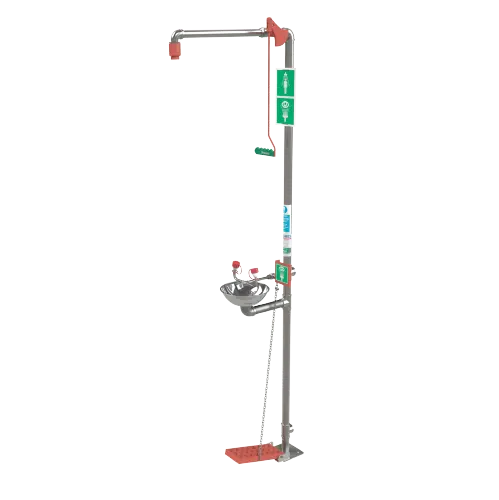
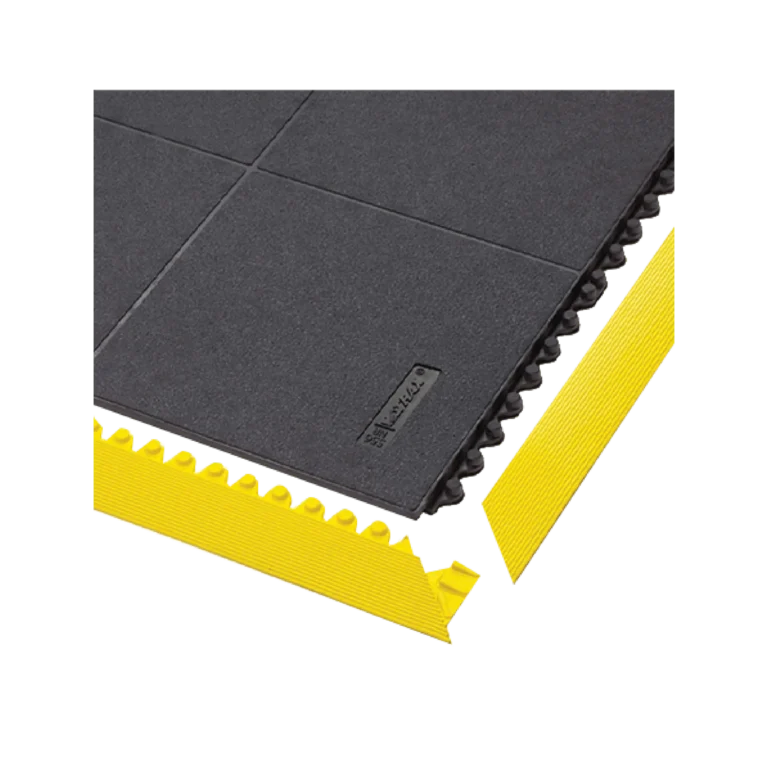
Spill Kit Selector
Choose a spill kit that matches the liquid type, application area, and spill volume for effective emergency management.

Step 1
Select spill type

Step 2
Select spill size

Step 3
View recommended products
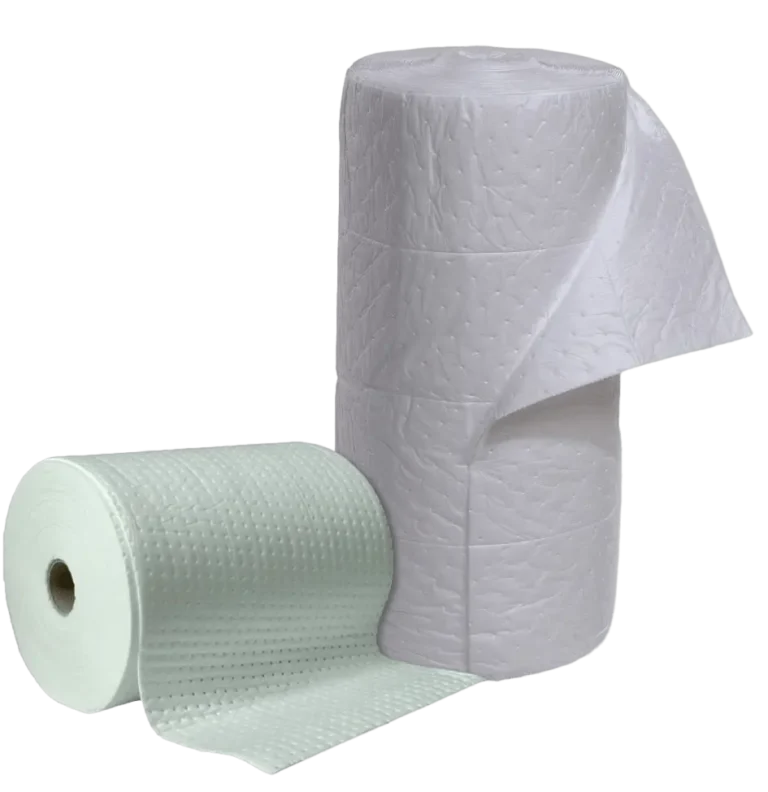
Absorbent Selector
Choose a spill kit that matches the liquid type, application area, and spill volume for effective emergency management.


Choose the absorbent kit that matches the liquid type, usage area, and spill volume for effective emergency response.
Choose the type of spill
Choose the absorbent kit that matches the liquid type, usage area, and spill volume for effective emergency response.
Choose the size of spill
Choose the absorbent kit that matches the liquid type, usage area, and spill volume for effective emergency response.
View recommended products
Recommended Products
A curated selection of products for safety and spill management across every industry
-
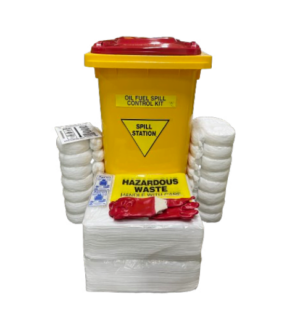
SK240W – 240 Litre Oil Only Spill Kit
Product successfully added to the Quote List
-
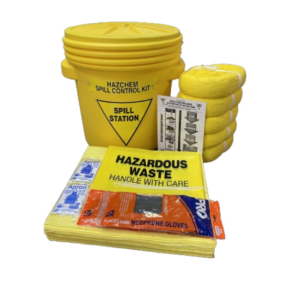
SK50EAO – 50 Litre Hazchem Spill Kit
Product successfully added to the Quote List
-
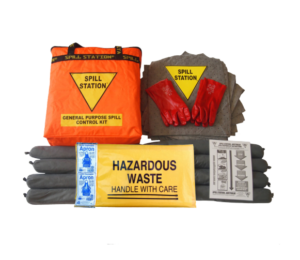
SK40GP – 40 Litre General Purpose Spill Kit
Product successfully added to the Quote List
-
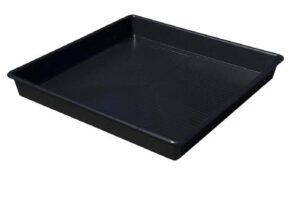
TSSTT100 – 100 Liter Spill Tray
Product successfully added to the Quote List
-
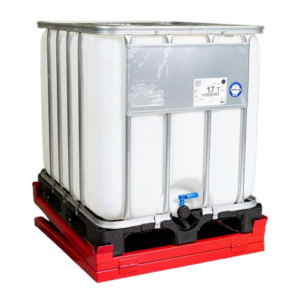
S-SMIBCT – IBC Tank Filling Machine
Product successfully added to the Quote List
Frequently Asked Questions
Why do I need spill control equipment on my worksite?
Frequently Asked Questions
Why do I need spill control equipment on my worksite?
Yes. Under Thailand’s Ministry of Industry Notification on Chemical Safety in Factories B.E. 2565 (2022), factories covered by this regulation must have safety measures for handling, moving, storing, and using chemicals, as well as preparing for chemical emergencies.
Employers must also follow the Occupational Safety, Health and Environment Act B.E. 2554 (2011) to protect workers from chemical hazards and spills.
Having appropriate chemical spill control and response equipment, such as absorbent materials, spill containment, and PPE, is therefore an essential part of emergency preparedness. The type and suitability of equipment should be determined based on the types, quantities, and hazard classifications of the chemicals used in each facility.
The businesses must follow various Thai laws and safety regulations for chemical management. The requirements depend on the type of business, the chemicals used, their quantities, and the activities carried out at each facility.
Key laws include the National Environmental Quality Act B.E. 2535 (1992), which focuses on pollution prevention and environmental protection; the Factory Act B.E. 2535 (1992), which sets safety and chemical management requirements for factories; and the Hazardous Substance Act B.E. 2535 (1992), which controls the production, import, export, and possession of hazardous substances.
For worker safety, employers must also follow the Occupational Safety, Health and Environment Act B.E. 2554 (2011), together with related regulations on working with hazardous chemicals, to protect employees from chemical exposure and spills. Factories covered by the Ministry of Industry’s Notification on Safety Measures for Chemical Management in Industrial Factories B.E. 2565 (2022) must also have suitable safety measures and emergency plans to prevent and respond to chemical spills.
For hazardous substance containers with a capacity of 25,000 liters or more, regulations require the containers to be strong and secure, with a concrete bund or wall around them. The bund must be large enough to hold the entire contents of the container, meaning 100% containment capacity is required in this case.
For indoor storage of hazardous chemicals, factories must have measures in place to prevent and control spills and leaks. Storage areas must also allow easy and safe access for workers to bring in spill response tools and equipment. In addition, chemicals must be stored according to their properties and compatibility with other substances, following the recommendations in their Safety Data Sheets (SDS).
For outdoor storage of hazardous chemicals, a containment system must be provided to collect any spills or leaks. This helps prevent environmental contamination and stops chemicals from flowing into public drainage systems.
Factories covered by the Ministry of Industry’s Notification on Safety Measures for Chemical Management in Industrial Factories B.E. 2565 (2022) must have measures to prevent and control chemical spills and leaks. They must also prepare emergency response plans and provide the necessary equipment and resources. If a factory fails to meet these requirements, authorities may order it to make corrections or stop certain operations under relevant laws.
For hazardous substances, failure to comply with the Hazardous Substance Act B.E. 2535 (1992) and related regulations may result in criminal penalties or administrative actions. The penalties depend on the type of hazardous substance and the nature of the violation. For example, producing, importing, exporting, or possessing a Type 3 hazardous substance without a license may result in imprisonment of up to 2 years, a fine of up to THB 200,000, or both, under Section 73.
For factories, violating safety requirements or failing to follow official orders may also lead to legal action. Authorities may order the factory to correct problems, make improvements, or, in serious cases involving significant risks or damage, temporarily stop its operations. The action taken will depend on the facts and the specific violation.
In Thailand, workplaces that handle or store hazardous chemicals must be prepared for emergencies under the Ministerial Regulation on Occupational Safety, Health and Environment for Work Involving Hazardous Chemicals B.E. 2556 (2013).
Employers must prepare an emergency response plan and conduct emergency drills at least once a year. Employees responsible for controlling and handling emergencies must also receive proper training, with refresher training at least once a year.
Training should cover everything from reporting an incident and controlling the affected area to using equipment such as Chemical Spill Kits and absorbent materials, as well as safely cleaning up spills and handling chemical waste. The training should be suitable for the types of chemicals used and the risks they may cause.
A chemical spill is both a safety and an environmental issue. It can put workers at risk and cause pollution in the surrounding area. From a safety perspective, spilled chemicals can cause slips, falls, injuries, or exposure to harmful substances that may affect people’s health. That is why workplaces need proper safety measures and suitable equipment to control and clean up chemical spills.
From an environmental perspective, if a chemical spill is not controlled quickly, the chemicals can spread onto the ground, flow into drains, or reach nearby water sources, causing environmental pollution.
For this reason, workplaces should have an emergency response plan and suitable spill control equipment, such as Spill Kits and absorbent materials. They should also have proper procedures for cleaning up spills and disposing of chemical waste based on the types of chemicals involved. These measures help protect both workers and the environment.
The type of work carried out, and the risks associated with the chemicals or liquids used and stored in a workplace are important factors to consider. These include the amount and type of chemicals, their level of hazard, how they are stored and handled, and the areas where spills or leaks are most likely to occur.
Workplaces with these risks should provide suitable equipment, such as Chemical Spill Kits, absorbent materials, spill containment equipment, spill trays, and systems to prevent chemicals from spreading. The equipment should match the types and quantities of chemicals used to help control spills and reduce the risks to employees, property, and the environment.
In addition, workplaces should have emergency response procedures, provide employee training, and inspect spill control equipment regularly. These measures help ensure that employees can respond to chemical spills quickly and safely.
Spill Control Kits should be checked regularly to make sure all equipment is in good condition, ready to use, and available in sufficient quantities to handle an emergency. Check all items, including absorbent materials, gloves, Personal Protective Equipment (PPE), waste disposal bags, and other supplies. Also, check the expiry dates of items with a limited shelf life. Replace any items immediately if they are damaged, expired, or no longer suitable for use.
The shelf life of each item may vary depending on its material, manufacturer, and storage conditions. Therefore, always follow the manufacturer’s recommendations and keep the Spill Kit in a clean, dry, and easily accessible area.
Regular inspections and maintenance help ensure that spill control equipment is ready to use when an emergency occurs, reducing risks to employees, property, and the environment.
Over 10 Years of Experience
We are committed to providing high-quality products and services.

Operating since 2013
Over 10 years of experience in providing spill management and safety solutions for the industrial sector.

World-Class Products
Carefully selected high-quality products from leading international brands to ensure standards and operational efficiency.

Reliable Performance
Products and equipment are designed for real-world use, helping to enhance safety and reduce risks in work areas.

Designed for Thailand
Solutions tailored to the environment, applications, and requirements of the industrial sector in Thailand.
Contact Us



Download Catalog
View product details and technical information in our latest catalog.

Customized Solutions
Spill management solutions designed to suit the applications and needs of each organization.

Spill Response Training
Practical training to prepare your team to respond to emergencies quickly
and effectively.

Spill Kit Care and Maintenance Service
Regular equipment inspection and maintenance services to ensure readiness and compliance with standards.

Fast Delivery
A delivery network covering all of Thailand to ensure you receive products quickly when needed.
Customized Solutions
Spill management solutions designed to suit the applications and needs of each organization.
Spill Response Training
Practical training to prepare your team to respond to emergencies quickly
and effectively.
Care and Maintenance Service
Regular equipment inspection and maintenance services to ensure readiness and compliance with standards.
Fast Delivery
A delivery network covering all of Thailand to ensure you receive products quickly when needed.